
Tipping in Europe
Know Before you Go


In the U.S., we have a tipping culture that can be a source of uncertainty when we travel abroad. In this article, we will share current tipping practices where we travel in the UK, Ireland, Italy, and Germany as well as a tiny bit of history, because I can’t help it. I just love history.
Let’s start with a quick history…
The word “tip” is an English word that started as a slang for the words “to pass” or “to give” in the 17th Century. Later, in the early 20th century, common folk liked to say it meant “To Insure Promptitude”. In the US, we really see the practice spread as a result of wealthy American travelers coming home from Europe where the practice was already common place.
This isn’t to say that tipping wasn’t already happening. Post US Civil War, freed persons of color were often still seen as second class citizens and were paid lower wages. During the early days of train travel, it was common to tip the porter. So, for a long time in the US history, tipping carried with it a notion of inferiority implying that the one receiving the tip was a second class citizen or worse. For business owners and managers, some tipping was more of a bribe that lead to loss of sales or goods if staff quietly offered “favors or extras” for a tip. Here, you can start to see two sides to the story emerging. Tipping helped those making less in wages and it also became a point of contention for implying someone’s inferiority. And so, the debate on tipping or not tipping continued with much gusto. Interestingly, in the 1920’s, US Prohibition took hold for a little more than a decade and during that time, bar owners were losing their livelihoods and their business; thus, many could not pay their staff since alcohol was a big part of their business’ income. So, tipping took hold in the restaurants and bars to help local establishments stay afloat and keep people employed. After prohibition, wages didn’t change much for wait staff in the US and not until recent years have we seen some real significant changes to raising the wages for people in this sector.
In the places we take travelers, the history of tipping has been a little different; thus, the difference in customs and expectations. Read on to “know before you go”.
UK and Ireland
Throughout the UK and Ireland, servers often make a more livable wage than servers in the US; therefore, tipping is not always expected, but it is always appreciated. It is common to tip about 10%-15% at a sit down restaurant with table side service. If paying your tip by credit card along with the rest of the tab, you may need to tell the server to add the tip in before running your card. More often, it is better to leave the tip in cash. In some cities, like London, you may see a discretionary service charge already on your restaurant tab which can be removed if the service is very poor.
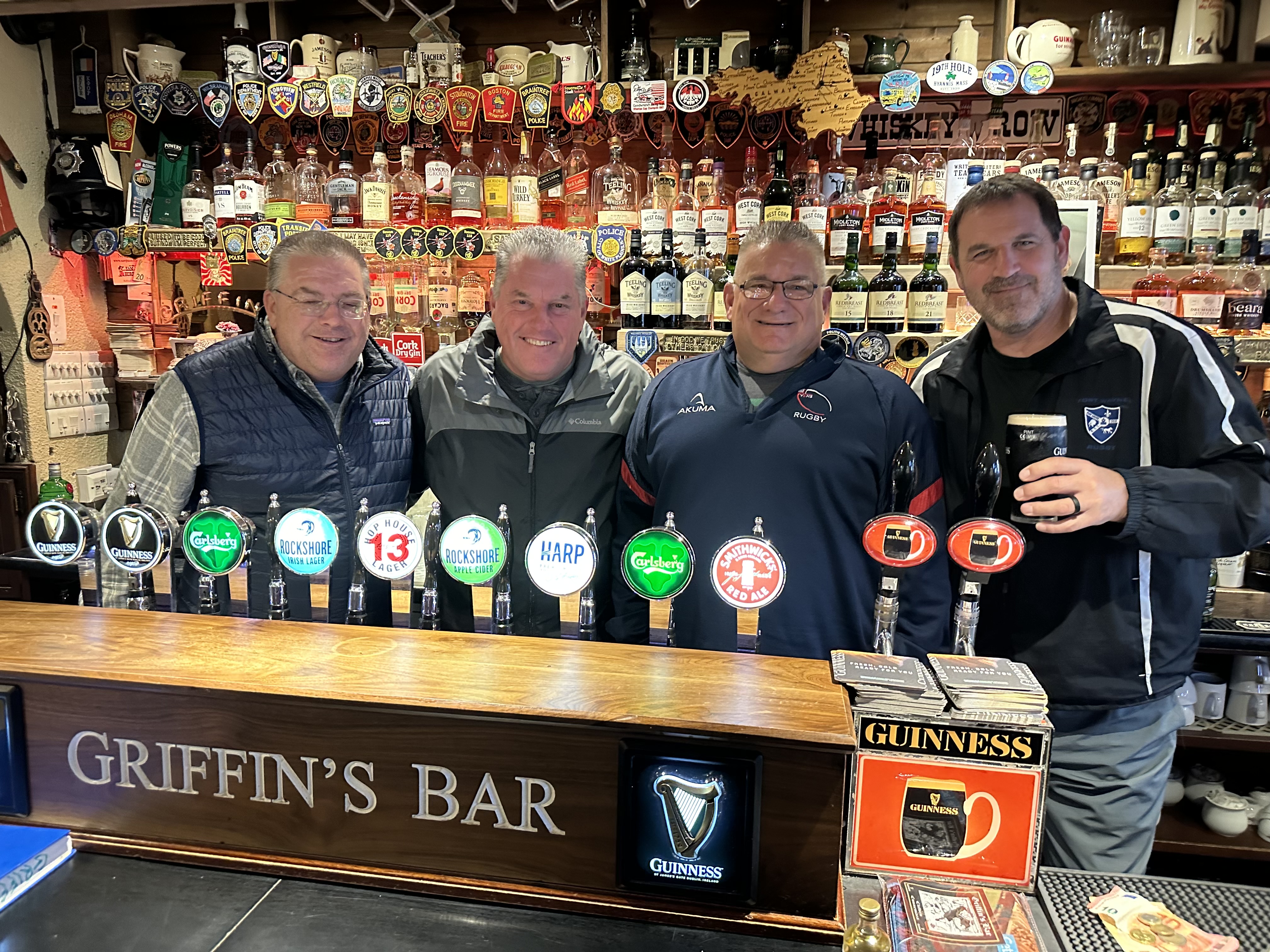
At pubs or chains and places where you order and pay at the bar or counter and table service is minimal, tipping is not expected but a quid or euro or two is always appreciated. As an alternative, some people may choose to order a drink and buy the barkeep a drink by stating, “and one for you as well”.
When it comes to black cabs, rounding up a couple of dollars is a good rule of thumb. Furthermore, it is customary to offer a minimal tip for bellhops and porters who handle your luggage. Tipping the housekeeping staff is not done regularly but is appreciated especially if you really like the service you receive.

Italy
Tipping in Italy is about appreciation, not a mandatory obligation. It is always recommended to leave a tip in (€ euros) cash. Many places cannot add a tip to the bill so having a little extra cash is helpful. For sit down meals the standard if the tip is not included is about 10% some choose to go 15% if that feels better to you.
In Italy, if you see the words “a coperto” or “pane e coperto”, it is a standard fee covering restaurant costs and is legally required to be listed on the menu, usually on the first or last page. This is a traditional per person cover charge seen at most sit down restaurants for the use of table settings, bread and other small amenities provided during the meal (even if you don’t eat the bread). It is typically between €1-€3 per person but can be as high as €8 at higher end restaurants. It is important to note that the coperto is not a tip. In Italy, if you see a charge noted as servicio (service charge) on your bill, this is a service charge which is essentially the Italian tip and is based on a percentage. If you see the words “servicio inclusion”, it means this charge is already added to your bill and no further tipping is required unless you had exceptional service and you really feel the need to.
Tips are not required nor expected at the counter of “fast” food or “counter” food type place because no “sit down” service is provided although you may see a tip jar in touristy areas. Just know, it is not expected.
Because so many of us love our coffee, here is a quick “squirrel moment” side note: A cafe like a coffee house is known as a “bar” in Italian. Espresso is the drink of choice for most Italians rather than the larger cup of Americano coffee (caffe) we enjoy here; and the espresso is downed pretty quickly with the cup left at the counter after consuming. Here is a reference about ordering coffee for anyone interested: How to Order a Coffee in Italy
Tipping a taxi driver:
There is no set amount for tipping a taxi driver as it is not a requirement but you may see it in touristy areas. Typically though, people will round up their fare a Euro or two as a common practice for tipping. If the driver was friendly, helpful with the bags, or provided a smooth efficient ride, a small tip is a nice gesture as is graciously thanking your driver with “Grazie Mille” pronounced ‘grah-zee me-lay’. If you do leave a tip whether at the table or with a driver, leave it in cash.
Germany
Like other parts of Europe, in Germany, tipping is voluntary and not expected. If you do tip, generally, it is about 5%-10% for good service, and rounding up the bill is common. It is important to tell the server you want to pay by cash or card and add a tip, although in many parts of Germany, cash is preferred and in some places, its the only way to pay.
A Final Note:
In Europe, always leave a tip in the local currency. It is not polite to leave a tip in US dollars. If you are in the United Kingdom (Scotland, England, Wales, and Northern Ireland), leave the tip in £ pound sterling coins or bills. If you are in Italy, Germany, or the Republic of Ireland (not Northern Ireland), leave the tip in € euro coins or bills.
If you are unsure, it’s perfectly fine to ask your host, hotel front desk staff or another local.